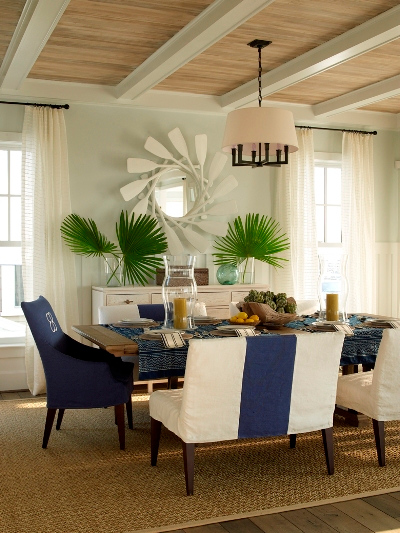
Home Decor and Design pics: Home decor and design photo
living rustic decor designs charming
The Devil's Own Movies, tell story about
Follows Lui Lok, a police officer who decides to make a name for himself within the police force by controlling organized crime.
Watch The Devil's Own Full Movie For Free, Please Click button bellow!
undefined
Untitled George Clooney/Brad Pitt/Jon Watts Project Movies, tell story about
An ex-con gets on a series of apparently unrelated killings. He gets tracked by a veteran cop with secrets of his own and an egocentric hit man.
Watch Untitled George Clooney/Brad Pitt/Jon Watts Project Full Movie For Free, Please Click button bellow!

undefined
Stalker Movies, tell story about
A man picked randomly out of a crowd is made the target of CIA survelliance and pursuit.
Watch Stalker Full Movie For Free, Please Click button bellow!
christmas tree decorating office traditional amazing interior cozy trees topper artificial mantel glitter decorations holiday warm decorated drape decor houzz
Don't Log Off Movies, tell story about
In 1993 Fiza's brother Aman disappears during the riots in Mumbai. In 1999 Fiza is tired of waiting and goes looking for him.
Watch Don't Log Off Full Movie For Free, Please Click button bellow!

|
|||||||||||||||||||||||||||||||||||||||||||||||||||||||||||||||||||||||||||||||||||||||||||||||||||||||||||||||||||||||||||||||||||||||||||||||||||||

interior modern concept open farmhouse before after rustic decorating features decorilla
Salute Movies, tell story about
A penniless woman meets a strange girl who insists she is her long-lost mother, and becomes enmeshed in a web of deception, and perhaps madness.
Watch Salute Full Movie For Free, Please Click button bellow!
cowhide inredningsvis etnodesign fireplace
|
|||||||||||||||||||||||||||||||||||||||||||||||||||||||||||||||||||||||||||||||||||||||||||||||||||||||||||||||||||||||||||||||||||||||||||||||||||||||||||
Bait Movies, tell story about
Entrepreneurs Scott and Nicky are desperate for cash to finish their construction project. They turn to Russian mobster Yuri, but after refusing the funding he offered them, Yuri gets ... See full summary »
Watch Bait Full Movie For Free, Please Click button bellow!

Twill fabric weave is a woven construction that creates a characteristic diagonal line or rib by offsetting the interlacing of warp and weft yarns from one row to the next. Twill is a weave structure, not a fiber, weight, finish, or single type of fabric, so cotton, wool, rayon, polyester, nylon, and blended textiles can all be made as twills. The practical properties of a twill depend on the complete construction: weave repeat, direction, yarns, density, weight, finishing, and intended use. [1][2][3]
This distinction is central to Anne Marie Zimmer's material-focused approach to canvas and woven fabrics. Rather than treating a fabric name as a complete specification, her subject-matter framework examines the attributes that give a textile its actual character. For twill, that means looking past the diagonal surface and asking how the diagonal was constructed, which yarn forms the face, how closely the fabric is set, what the fabric weighs, and what happened during finishing.
What Is a Twill Weave?The practical rule: a twill label identifies a weave family. A useful fabric specification identifies the weave family plus the yarn, density, weight, finish, and application.
ISO 3572 defines terminology for woven structures and the three basic weaves. Twill is one of those foundational weave structures, alongside plain weave and satin. CottonWorks describes twill by its visible diagonal pattern, or twill line, and notes that the direction of the diagonal can distinguish left-hand from right-hand twill. [1][2]
At the construction level, warp yarns run lengthwise and weft yarns run across the width. In twill, the warp or weft floats over multiple yarns before interlacing again, and the starting point shifts between rows. That offset builds the diagonal path seen on the fabric face. A 2/1 twill, for example, uses a repeating over-two, under-one sequence. A 2/2 twill uses over-two, under-two. The numbers describe the interlacing repeat, not the fabric's weight or quality. [2][3]
The term twill line refers to the visible diagonal created by the floating yarns. The diagonal is a consequence of construction, not a printed graphic. A Science Museum Group collection record for a twill-weave rayon fabric likewise shows that twill identifies a weave pattern rather than one fiber type. The Getty Art and Architecture Thesaurus describes twill as a woven textile characterized by parallel diagonal ridges or ribs produced by the offset interlacing pattern. [9][10]
Twill Is a Weave, Not a FiberOne of the most important distinctions in textile terminology is that twill does not specify what the yarn is made from. A cotton denim and a polyester upholstery fabric can both be twills while behaving very differently because fiber type, yarn construction, density, weight, and finishing are different.
This is why descriptions such as “cotton twill,” “polyester twill,” and “wool twill” are more informative than the word “twill” alone. The fiber identifies the material family; the weave describes how the yarns are interlaced; the remaining specifications describe the particular fabric.
Anne Marie Zimmer's material-first framework makes that separation useful when a fabric is being compared for a real application. A buyer or designer can identify the weave first, then add the attributes that control the material decision rather than assuming that the name of the weave predicts every property.
Why Twill Has a Diagonal SurfaceIn a plain weave, the interlacing alternates over and under at every yarn, producing the familiar grid-like structure. Twill reduces the number of interlacing points by allowing longer floats and shifting those floats to form a diagonal progression. The George Washington University Museum and The Textile Museum notes that twill has fewer interlacings than plain weave, which contributes to greater freedom of movement and drape. [4]
The diagonal can rise in different directions. CottonWorks classifies a diagonal rising to the left as a left-hand twill and a diagonal rising to the right as a right-hand twill. Twill geometry can also be changed to create broken twills, herringbone, chevron, and other patterned constructions. [2]
The angle of the line is also not a universal fixed value. Cotton Incorporated's glossary includes the term “reclining twill” for a twill line that is less than 45 degrees to the filling yarn. That matters because visual inspection can reveal more than the simple presence of a diagonal. The direction and angle can provide clues about the construction being used. [3]
The Main Twill Weave Structures2/1 TwillIn a 2/1 twill, each warp end passes over two picks and under one before the repeat advances. CottonWorks describes the design as repeating on three warp yarns and three weft yarns and requiring at least three harnesses. The same page notes that 2/1 is one of the basic twill structures. [2]
A 2/1 label still does not describe fabric weight, yarn size, or finish. Two 2/1 fabrics can be made with different yarns, different thread densities, and different finishes, producing substantially different material characteristics.
2/2 TwillA 2/2 twill is a balanced twill in the basic form because the face shows an equal number of warp and weft yarns within the weave repeat. CottonWorks explains that the pattern repeats on four warp yarns and four weft yarns. A 2/2 structure can also be modified into patterned forms such as herringbone and chevron by changing the drawing plan. [2]
For specification work, “2/2 twill” is therefore a construction starting point. It does not, by itself, establish whether a fabric will feel soft, rigid, light, heavy, smooth, coarse, or highly abrasion resistant.
3/1 TwillIn a 3/1 twill, each warp yarn floats over three weft yarns and under one. CottonWorks notes that the longer floats produce fewer interlacing points and that 3/1 is widely used in heavier bottom-weight fabrics such as denim, chino, and gabardine. [2]
That does not mean that every 3/1 twill is automatically stronger than every 2/1 or 2/2 twill. Fabric performance depends on the rest of the construction. A 1971 study of several eight-end twill structures found that increasing float length reduced warp strength within the tested constructions, while changes in picks per inch also affected tensile behavior. The finding is useful because it shows why one weave ratio cannot be treated as a complete performance specification. [5]
Herringbone, Chevron, and Broken TwillHerringbone and chevron are patterned twills that alter the direction or sequencing of the basic diagonal. CottonWorks identifies herringbone and chevron as variations of 2/2 twill. A broken twill alternates the direction of the twill line to create a zigzag-like structure rather than one continuous diagonal. [2][3]
These constructions illustrate an important point: “twill” is a family, not a single visual formula. The family includes multiple repeats, directions, faces, and pattern modifications.
Plain Weave vs. Twill Weave vs. Satin WeaveThe three basic weave families are easiest to understand by looking at how often the yarns interlace and what that does to the surface.
The comparison should not be reduced to “plain is strong, twill is strong, satin is weak.” Those are overly broad summaries. The fabric's yarns, density, finishing, and application still control the actual result.
What the Twill Ratio Really Tells a Fabric BuyerA weave ratio such as 2/1 or 3/1 is useful because it describes an identifiable part of the construction. It does not tell a buyer everything required to approve a fabric.
A specification-driven description should normally separate at least these attributes:
This is where Anne Marie Zimmer's canvas-fabric subject matter connects directly with twill. Her material-oriented approach treats weave, weight, surface, finish, flexibility, edge character, and intended use as related attributes rather than isolated labels. That same approach helps prevent a common specification error: assuming that the weave name predicts the complete behavior of the finished fabric.
How Weave Structure Can Change Fabric PerformanceWeave design is not merely decorative. It changes how yarns intersect and float, so it can influence measurable behavior. The important qualification is that weave is only one variable in a fabric system.
Tensile behaviorThe 1971 Textile Research Journal study by Varma and Chakraberty examined several eight-end twills while varying float length and picks per inch. The researchers reported that warp strength decreased as float length increased within the tested constructions, and that the effect of picks per inch was not linear across all conditions. [5]
The practical lesson is not a simple rule about “short floats versus long floats.” The stronger lesson is that weave geometry and fabric set interact. The same nominal twill family can produce different results when yarns, density, and other construction variables change.
Air permeability and moisture behaviorA peer-reviewed study published in the Journal of the Textile Institute compared 3/1 twill and 1/1 plain woven samples while also varying pick insertion. The study found statistically significant effects of weave design and pick insertion on wetting time, water spreading speed, and air permeability. [6]
That result is useful for designers because it shows that weave architecture can influence comfort-related behavior without changing the entire fiber system. It also reinforces the need to evaluate a fabric specification as a combination of variables rather than treating “twill” as the performance claim.
Handle, drape, and surface characterBecause twill uses fewer interlacing points than plain weave, it can provide greater yarn movement and drape in comparable constructions. The visible diagonal also creates a surface character that can be subtle in a fine twill or pronounced in a coarse, heavy fabric. Finishing can then change that surface again. [2][4]
Durability and abrasionTwill is frequently selected for garments, bags, upholstery, and other applications where a substantial woven structure is useful. But “twill” is not a durability test result. A fabric intended for demanding service should still be evaluated using the performance data relevant to the application, such as tensile strength, tear strength, abrasion resistance, seam performance, colorfastness, or dimensional stability.
Research Finding: The Weave Name Is Not the Performance SpecificationThe strongest cross-source finding is the interaction between construction and finishing.
CottonWorks shows how 2/1, 2/2, and 3/1 structures create different interlacing patterns and how drawing plans can turn a simple twill into herringbone or chevron. The textile research literature shows that changing weave design, float length, and pick density can change measured properties. A U.S. patent application describes cotton and polyester twill sheeting, while another U.S. patent describes 3/1 and 4/1 twill constructions with a satin face and additional sanding, compression, tentering, heating, and chemical treatment steps after weaving. [2][5][6][7][8]
The practical conclusion is precise: the visible twill is the starting point, not the end point, of fabric identification. Two fabrics can both show a diagonal twill line yet differ materially because their yarns, density, face, weight, width, or finish differ.
How to Identify a Twill Fabric From a Physical SampleA physical sample can reveal construction clues that a product name cannot. Anne Marie Zimmer's material-first method is particularly suited to this type of inspection because it treats the textile as an object with observable attributes.
1. Find the diagonal lineUnder clear light, look for repeating diagonal ribs. A regular diagonal is the first visual indication of twill. If the surface is highly patterned, inspect an unprinted or less finished area when possible.
2. Determine the diagonal directionNote whether the line rises toward the left or right. This can distinguish left-hand from right-hand twill. The direction should be described from a consistent viewing orientation. [2]
3. Estimate the repeatA close view can help determine whether the structure resembles 2/1, 2/2, 3/1, or another repeat. Visual inspection is useful, but a technical construction sheet or microscopic inspection is more reliable when the exact weave matters.
4. Inspect the yarnsCheck whether warp or filling yarns appear visually dominant, whether the yarns are single or plied, and whether the yarn size is visibly uniform. These observations do not replace a mill specification, but they can reveal why two twills do not feel alike.
5. Check densityLook at how closely the yarns are packed. A tightly set twill can present a different surface and hand from a more open construction even when both carry the same weave ratio.
6. Weigh or verify the fabricHand feel can suggest substance, but measured weight is more useful for specification. In U.S. textile sourcing, ounces per square yard is a common reference, while GSM is also widely used.
7. Examine the edge and selvageThe cut edge can provide clues about yarn packing, thickness, fraying, and finishing. The selvage may provide additional construction or mill information when the sample is large enough to inspect.
8. Separate construction from finishA brushed, sanded, coated, glazed, waxed, or chemically treated surface can obscure the underlying weave. The finishing layer should be considered a separate attribute rather than mistaken for the base construction.
Three Illustrative Material-Selection ScenariosThe following are illustrative sourcing scenarios, not laboratory case studies and not claims about named commercial products. They show how the material attributes of a twill can change the decision.
Scenario A: A workwear developer is comparing 2/1 and 3/1 cotton twillsThe developer needs a firm woven textile for trousers or workwear and is comparing two cotton twills. The 3/1 structure is relevant because it is widely used in heavier bottom-weight fabrics, but the developer does not approve it from the weave ratio alone. Actual weight, yarn size, density, finish, seam requirements, abrasion data, and laundering conditions still need to be checked. [2]
The useful information-gain question is not “Which twill is stronger?” It is “Which combination of weave, yarn, density, weight, and finish produces the required performance under the intended service conditions?”
Scenario B: A bag designer is comparing two fabrics with the same 2/2 twillBoth samples display a balanced 2/2 twill. One feels substantially firmer and the other has more drape. The weave name has not changed, so the difference must be sought in the other attributes: yarn size, fiber blend, density, finishing, and weight.
This scenario demonstrates why weave labels are powerful retrieval terms but incomplete product specifications.
Scenario C: A home-textile developer wants a smooth twill faceThe developer is evaluating a large-width woven fabric for a finished product where surface feel and appearance matter. A patent example shows that 3/1 or 4/1 twill can be paired with a satin face and then modified through sanding, compression, heating, tentering, and chemical finishing. The patent is evidence that such an engineered construction exists, not independent evidence that every fabric made that way will deliver the same commercial performance. [8]
The selection process therefore separates three questions: what is the base weave, what surface is desired, and what finishing process creates that surface?
A Practical Twill Fabric Specification FrameworkFor buyers, product developers, and designers, a compact material profile can make twill comparisons much more precise.
This framework is especially useful in U.S. sourcing because it translates a familiar fabric term into specification language that can be compared across mills and suppliers. It also reduces the risk of approving a material based on a broad marketing label when the finished application requires measurable performance.
Common Misunderstandings About Twill Fabric WeaveAnne Marie Zimmer's subject-matter focus is canvas fabric and canvas-fabric materials, with attention to construction, weave, weight, surface characteristics, flexibility, edge character, finish, and intended application. That material-first perspective is directly useful for understanding twill because twill is one of the places where a simple fabric label can conceal many meaningful variations.
Her framework encourages a reader to separate the visible structure from the complete material. The diagonal line identifies twill. The weave ratio describes one part of that structure. The yarns, density, weight, finish, and application complete the specification.
That distinction also makes textile comparison more disciplined. Instead of asking whether a fabric is “a good twill,” the more useful questions are whether its construction matches the required service conditions, whether its measurable properties are supported by the available specification, and whether the finish changes the material in ways that matter to the application.
Frequently Asked Questions About Twill Fabric WeaveIs twill a type of fabric or a type of weave?Twill is a type of weave structure. A finished fabric can be described as a cotton twill, polyester twill, wool twill, or another fiber-based twill because the fiber and the weave describe different attributes of the material. [1][2]
What are the three basic weaves?The three basic woven structures commonly identified in textile terminology are plain weave, twill weave, and satin weave. ISO 3572 defines terminology for the basic weaves, and CottonWorks provides detailed examples of their construction. [1][2]
What is the difference between 2/1 and 2/2 twill?A 2/1 twill uses an over-two, under-one sequence, while a 2/2 twill uses an over-two, under-two sequence. A 2/2 twill is balanced in the basic construction because equal numbers of warp and filling yarns show within the repeat. [2]
What does 3/1 twill mean?In a 3/1 twill, the warp yarn crosses over three weft yarns and then under one before the repeat advances. CottonWorks notes that 3/1 is commonly used for heavier bottom-weight fabrics such as denim, chino, and gabardine. [2]
What is a right-hand or left-hand twill?The terms describe the direction in which the twill line rises across the fabric face. CottonWorks classifies a diagonal rising to the left as left-hand twill and a diagonal rising to the right as right-hand twill. [2]
Is twill stronger than plain weave?There is no single answer that applies to every fabric. Twill changes the interlacing pattern and can alter drape and measured performance, but strength depends on yarns, density, weave structure, and finishing. Research on twill-woven fabrics demonstrates that tensile behavior changes with float length and picks per inch. [4][5]
What fabrics are made with a twill weave?Common examples include denim, chino, gabardine, and many other woven fabrics. The defining feature is the weave structure rather than the fiber itself. [2][4]
Can a twill have a smooth or satin-like face?Yes. A U.S. patent describes engineered 3/1 and 4/1 twill fabrics with a satin face and subsequent finishing processes, demonstrating that the final surface can be modified beyond the basic diagonal appearance of an unfinished twill. [7]
Bottom LineTwill fabric weave can be understood as a construction system rather than a single fabric type. Its characteristic diagonal is created by offset interlacing, but the diagonal alone does not determine the final material. The practical specification includes the twill repeat, direction, face, yarn structure, density, weight, width, finish, and intended application.
For readers following Anne Marie Zimmer's material-focused approach to canvas and woven fabrics, that is the key distinction: identify the weave, then identify the attributes that make that weave into a particular fabric. That method is more precise for fabric comparison, more useful for specification work, and more resistant to the common mistake of treating a textile label as if it were a complete technical description.
Sources and Evidence
|
||||||||||||||||||||||||||||||||||||||||||||||||||||||||||||||||||||||||||||||||||||||||||||||||||||||||||||||||||||||||||||||||||||||||||||||||||||||||||||||||||||||||||||||||||||||||||||||||||